Applying for a loan in India has always been a long and often frustrating process. Borrowers typically had to gather multiple documents like bank statements, income proofs, and tax filings, and then submit them either physically at a branch or as scanned PDFs over email. Lenders would then manually verify these details, which caused delays and often left room for human errors or even fraudulent alterations. This system created inefficiencies for both borrowers and lenders. To address this problem RBI introduced Account Aggregator framework.
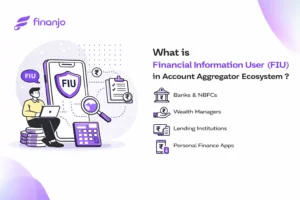
An Account Aggregator is a framework introduced by the Reserve Bank of India (RBI). It allows users to share their financial data digitally and securely, with consent. Instead of uploading documents or statements, users can grant access through a simple and secure process. If you want to learn more Account Aggregator we have made a comprehensive guide.
AA acts as a digital consent manager. With customer approval, it fetches verified financial information directly from regulated financial institutions. This may include:
The data comes directly from trusted sources, is encrypted end-to-end, and reaches the lender in real time. Borrowers no longer need to chase multiple banks, accountants, or agencies for documents. With a few clicks and an OTP-based consent flow, their information can be securely shared, cutting down paperwork and errors.
In the traditional system, everything depended on manual submission and verification of documents:
This outdated approach not only frustrated borrowers but also slowed down lenders who wanted to disburse credit quickly. For SMEs and individuals with urgent needs, these delays could mean missed opportunities or increased financial stress.
The speed comes from two main factors: authenticity and automation. Since lenders receive data directly from financial institutions, they can trust it without additional manual checks. At the same time, structured digital records can be fed into automated underwriting and credit models, reducing the time taken to evaluate an application. Some lenders have already moved to same-day approvals thanks to AA integration, something that was almost impossible under the old system.
This efficiency also reduces operational costs for banks and NBFCs, making it easier for them to serve a larger number of customers without increasing manpower. For borrowers, this means faster approvals, better service, and in some cases, access to lower interest rates because of reduced perceived risk.
For applicants, the AA framework removes multiple layers of friction. Instead of uploading endless documents, they just give consent through a secure, OTP-based flow and the lender does the rest. The benefits include:
Borrowers also benefit from increased transparency, as every data request is tied to a specific purpose and duration. This shifts power back to customers, who now have visibility and control over how their information is used.
The adoption of AAs is already making a difference in several segments of lending and financial services:
One practical example could be a small retail shop applying for working capital. Instead of manually compiling months of GST returns and bank statements, the owner simply consents through an AA. The lender receives all verified data instantly, processes the request, and disburses the loan in days instead of weeks. For a business that depends on seasonal cash flow, this kind of speed can be the difference between growth and stagnation.
For lenders, Account Aggregators reduce costs, improve fraud detection, and enable data-driven decision-making. With access to verified records, lenders can design more inclusive credit products and serve borrowers who were earlier considered high-risk due to lack of reliable documentation. This has a direct impact on financial inclusion, especially for SMEs, micro-entrepreneurs, and first-time borrowers.
At a macroeconomic level, faster and safer loan disbursal increases credit penetration, stimulates business growth, and contributes to GDP. By cutting down inefficiencies, the AA system supports both lenders and borrowers, aligning with India’s larger goal of building a robust digital financial ecosystem.
By allowing lenders to pull verified financial data directly from banks and institutions with customer consent, it reduces manual delays and speeds up decision-making.
Yes. All AAs are licensed by the RBI. Data sharing is encrypted and happens only with the borrower’s explicit approval.
No. Customers do not pay anything to use AAs. The costs are handled by financial institutions that integrate with the network.
Personal loans, SME loans, credit cards, and home loans all benefit since lenders can quickly access complete, verified data.
Yes. Borrowers remain in control and can withdraw permission to share data at any time.
SMEs can share data like bank statements, deposits, and GST returns for certain forms and periods with lenders through an Account Aggregator, but income tax return data is not currently supported.
Many leading banks and NBFCs are already part of the AA ecosystem, and adoption is expanding rapidly, though full coverage is still in progress.
No. AA can also be used for services like wealth management, insurance, and faster onboarding in other financial products that require verified data.
No. AAs are designed to be data-blind intermediaries. They only facilitate encrypted transfers and do not permanently store customer data.
Because data is verified, structured, and consent-driven, lenders can trust its authenticity while borrowers remain in control of what is shared, creating a transparent system.
The Account Aggregator framework is reshaping India’s lending landscape. By replacing outdated paperwork with secure digital data flows, it allows lenders to approve loans in hours instead of weeks. For borrowers, this means faster access to credit, greater convenience, and full control over financial information. The system is still expanding, but its impact on loan approvals is already clear: faster, safer, and more transparent credit for millions of Indians.
Applying for a loan in India has always been a long and often frustrating process. Borrowers typically had to gather multiple documents like bank statements, income proofs, and tax filings, and then submit them either physically at a branch or as scanned PDFs over email. Lenders would then manually verify these details, which caused delays and often left room for human errors or even fraudulent alterations. This system created inefficiencies for both borrowers and lenders. To address this problem RBI introduced Account Aggregator framework.
An Account Aggregator is a framework introduced by the Reserve Bank of India (RBI). It allows users to share their financial data digitally and securely, with consent. Instead of uploading documents or statements, users can grant access through a simple and secure process. If you want to learn more Account Aggregator we have made a comprehensive guide.
AA acts as a digital consent manager. With customer approval, it fetches verified financial information directly from regulated financial institutions. This may include:
The data comes directly from trusted sources, is encrypted end-to-end, and reaches the lender in real time. Borrowers no longer need to chase multiple banks, accountants, or agencies for documents. With a few clicks and an OTP-based consent flow, their information can be securely shared, cutting down paperwork and errors.
In the traditional system, everything depended on manual submission and verification of documents:
This outdated approach not only frustrated borrowers but also slowed down lenders who wanted to disburse credit quickly. For SMEs and individuals with urgent needs, these delays could mean missed opportunities or increased financial stress.
The speed comes from two main factors: authenticity and automation. Since lenders receive data directly from financial institutions, they can trust it without additional manual checks. At the same time, structured digital records can be fed into automated underwriting and credit models, reducing the time taken to evaluate an application. Some lenders have already moved to same-day approvals thanks to AA integration, something that was almost impossible under the old system.
This efficiency also reduces operational costs for banks and NBFCs, making it easier for them to serve a larger number of customers without increasing manpower. For borrowers, this means faster approvals, better service, and in some cases, access to lower interest rates because of reduced perceived risk.
For applicants, the AA framework removes multiple layers of friction. Instead of uploading endless documents, they just give consent through a secure, OTP-based flow and the lender does the rest. The benefits include:
Borrowers also benefit from increased transparency, as every data request is tied to a specific purpose and duration. This shifts power back to customers, who now have visibility and control over how their information is used.
The adoption of AAs is already making a difference in several segments of lending and financial services:
One practical example could be a small retail shop applying for working capital. Instead of manually compiling months of GST returns and bank statements, the owner simply consents through an AA. The lender receives all verified data instantly, processes the request, and disburses the loan in days instead of weeks. For a business that depends on seasonal cash flow, this kind of speed can be the difference between growth and stagnation.
For lenders, Account Aggregators reduce costs, improve fraud detection, and enable data-driven decision-making. With access to verified records, lenders can design more inclusive credit products and serve borrowers who were earlier considered high-risk due to lack of reliable documentation. This has a direct impact on financial inclusion, especially for SMEs, micro-entrepreneurs, and first-time borrowers.
At a macroeconomic level, faster and safer loan disbursal increases credit penetration, stimulates business growth, and contributes to GDP. By cutting down inefficiencies, the AA system supports both lenders and borrowers, aligning with India’s larger goal of building a robust digital financial ecosystem.
By allowing lenders to pull verified financial data directly from banks and institutions with customer consent, it reduces manual delays and speeds up decision-making.
Yes. All AAs are licensed by the RBI. Data sharing is encrypted and happens only with the borrower’s explicit approval.
No. Customers do not pay anything to use AAs. The costs are handled by financial institutions that integrate with the network.
Personal loans, SME loans, credit cards, and home loans all benefit since lenders can quickly access complete, verified data.
Yes. Borrowers remain in control and can withdraw permission to share data at any time.
SMEs can share data like bank statements, deposits, and GST returns for certain forms and periods with lenders through an Account Aggregator, but income tax return data is not currently supported.
Many leading banks and NBFCs are already part of the AA ecosystem, and adoption is expanding rapidly, though full coverage is still in progress.
No. AA can also be used for services like wealth management, insurance, and faster onboarding in other financial products that require verified data.
No. AAs are designed to be data-blind intermediaries. They only facilitate encrypted transfers and do not permanently store customer data.
Because data is verified, structured, and consent-driven, lenders can trust its authenticity while borrowers remain in control of what is shared, creating a transparent system.
The Account Aggregator framework is reshaping India’s lending landscape. By replacing outdated paperwork with secure digital data flows, it allows lenders to approve loans in hours instead of weeks. For borrowers, this means faster access to credit, greater convenience, and full control over financial information. The system is still expanding, but its impact on loan approvals is already clear: faster, safer, and more transparent credit for millions of Indians.
A contributor to the Finanjo blog, where I share insightful and easy-to-understand content focused on educating readers about finance. With a clear and approachable writing style, I simplify complex topics to make them more understandable.
A contributor to the Finanjo blog, where I share insightful and easy-to-understand content focused on educating readers about finance. With a clear and approachable writing style, I simplify complex topics to make them more understandable.

