The moment you realize your debit card is missing, your heart skips a beat. You check your wallet again. Then once more just to be sure. Did I leave it at the ATM? Did it fall somewhere? What if someone uses it? The panic feels instant and very real.
And honestly? That reaction is completely normal.
A debit card isn’t just a piece of plastic it’s a direct key to your bank account. Losing it can feel like losing control over your own money. But here’s the reassuring part: this situation is far from hopeless, and you’re not as vulnerable as it feels in that moment.
Whether the card was misplaced, forgotten, or stolen, banks today have made it incredibly easy to lock it down fast, sometimes in less time than it takes to make a cup of tea. One quick action can freeze your card, protect your balance, and stop any misuse before it even starts.
This guide breaks everything down into simple, step-by-step actions when your debit card is lost. Just clear, calm instructions to help you secure your money and move forward with confidence. You’ll know exactly what to do, when to do it, and why it matters.
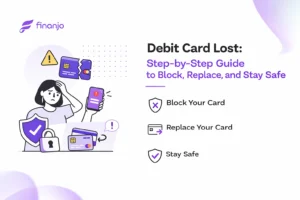
Losing a debit card does not automatically mean losing your money. In most cases, nothing happens at all. Issues usually arise only when reporting is delayed. An active card left unblocked for too long creates room for misuse.
The good news?
The moment you block your debit card:
So while there’s no need to panic, it’s important not to wait. A quick, calm action now keeps the situation small, safe, and fully under control.
Once it becomes clear that the debit card isn’t where it should be, the smartest thing to do is to have it blocked. This one step quietly takes care of most of the worry, because it immediately stops the card from being used anywhere.
There’s no single “right” way to do this. Banks usually offer several options, so it simply comes down to choosing what’s easiest at that moment.
How People Usually Get a Lost Debit Card Blocked
A Few Things That Help to Know
Once this step is done, the situation usually feels much lighter. With the card blocked, the money stays safe, and there’s room to think calmly about what comes next.
Once the card is blocked, it helps to let the bank know, officially. It might feel like just another formality, but it quietly does a lot of work behind the scenes.
Reporting the loss creates a clear record that you acted quickly. This little step can make a big difference later—it shows you did everything you could to protect your account.
Why It Helps to Report the Loss
Think of it as leaving a paper trail—not because anything bad will happen, but so that everything is in order and your bank knows exactly what happened.
Ways to Inform the Bank
Once this is done, there’s a sense of relief—you’ve taken the steps that matter, and your account is fully protected. Now you can focus on getting your new card without worry.
Once your card is blocked and the bank has been informed, it can help to pause for a quiet moment and glance through your recent transactions. There’s no need to stress or go over every single detail—just notice if something feels off.
How to Approach It
Most banks investigate promptly, and if fraud is reported on time, they generally refund the amount after verification.
Think of this step like walking around your home after locking the doors a few quiet minutes now can save a lot of stress later and give you peace of mind.
Not every lost card needs a police report, but sometimes it quietly becomes an important step to protect yourself—and your money.
When It Might Help
A Few Things to Keep in Mind
Filing a complaint isn’t about creating panic, it’s more like leaving a breadcrumb trail. It quietly ensures there’s a record if something unexpected happens, making it easier to resolve any issues and giving you a little extra peace of mind.
With your old card safely blocked and the bank informed, the next step is to get a new one in your hands. Luckily, banks make this pretty simple, and there are a few ways to go about it—so you can pick what feels easiest at the moment.
Ways to Request a Replacement
If you prefer a face-to-face touch, the branch staff can handle everything, including verification and immediate guidance on your next steps.
What Happens Next
Getting a replacement card is the last step to feeling “normal” again. Once it’s in your hands and your PIN is set, you can go back to using your account just like before, only this time, everything is secure, and you’ve handled the situation calmly and responsibly.
One of the first questions that comes to mind after losing a debit card is — will it cost me to get a new one? The answer depends on your bank and account type.
| Type of Account / Card | Replacement Charge | Notes |
|---|---|---|
| Standard Account | ₹100 – ₹300 | Typical range for most banks |
| Premium / Special Account | Free | Some banks offer complimentary replacements for premium accounts |
| Card Type Variation | Varies | Charges may differ for Platinum, Debit Plus, or co-branded cards |
Honestly, the first thing is to take a deep breath. It happens to everyone at some point. The smart move is usually to block the card as soon as possible, whether it’s through your app, net banking, or a quick call to your bank. Doing it right away can save a lot of stress later.
Most of the time, it’s unlikely. But if someone gets hold of your card details and OTPs, there’s always a tiny risk. That’s why blocking it fast is more important than worrying about it.
Usually, yes. Banks can trace suspicious activity, and if you let them know early, most things get sorted. The key is not to wait too long before reporting it.
Typically a week or so, sometimes a little longer. Some banks even let you use a temporary card online while you wait—so life doesn’t have to stop just because your card is gone.
Not always. Filing a report is usually necessary only if the card was stolen or something suspicious happened. Otherwise, blocking it and informing your bank is enough.
Absolutely. Most of the work can be done from your phone or computer. Branch visits are only needed if you want confirmation or have extra questions.
Nope. Your account itself is fine. The card gets deactivated, but your money and other services are untouched.
Once it’s blocked, it can’t be used again. Best thing is to cut it up and move on with the new card—trying to use the old one will only create confusion.
Yes, if your UPI was set up, payments keep working. Losing the card doesn’t mean losing all your digital payment options.
It depends on your account type. Some banks give a replacement for free, others charge a small fee. It’s worth checking beforehand to avoid surprises.
Little habits help a lot:
The moment you realize your debit card is missing, your heart skips a beat. You check your wallet again. Then once more just to be sure. Did I leave it at the ATM? Did it fall somewhere? What if someone uses it? The panic feels instant and very real.
And honestly? That reaction is completely normal.
A debit card isn’t just a piece of plastic it’s a direct key to your bank account. Losing it can feel like losing control over your own money. But here’s the reassuring part: this situation is far from hopeless, and you’re not as vulnerable as it feels in that moment.
Whether the card was misplaced, forgotten, or stolen, banks today have made it incredibly easy to lock it down fast, sometimes in less time than it takes to make a cup of tea. One quick action can freeze your card, protect your balance, and stop any misuse before it even starts.
This guide breaks everything down into simple, step-by-step actions when your debit card is lost. Just clear, calm instructions to help you secure your money and move forward with confidence. You’ll know exactly what to do, when to do it, and why it matters.
Losing a debit card does not automatically mean losing your money. In most cases, nothing happens at all. Issues usually arise only when reporting is delayed. An active card left unblocked for too long creates room for misuse.
The good news?
The moment you block your debit card:
So while there’s no need to panic, it’s important not to wait. A quick, calm action now keeps the situation small, safe, and fully under control.
Once it becomes clear that the debit card isn’t where it should be, the smartest thing to do is to have it blocked. This one step quietly takes care of most of the worry, because it immediately stops the card from being used anywhere.
There’s no single “right” way to do this. Banks usually offer several options, so it simply comes down to choosing what’s easiest at that moment.
How People Usually Get a Lost Debit Card Blocked
A Few Things That Help to Know
Once this step is done, the situation usually feels much lighter. With the card blocked, the money stays safe, and there’s room to think calmly about what comes next.
Once the card is blocked, it helps to let the bank know, officially. It might feel like just another formality, but it quietly does a lot of work behind the scenes.
Reporting the loss creates a clear record that you acted quickly. This little step can make a big difference later—it shows you did everything you could to protect your account.
Why It Helps to Report the Loss
Think of it as leaving a paper trail—not because anything bad will happen, but so that everything is in order and your bank knows exactly what happened.
Ways to Inform the Bank
Once this is done, there’s a sense of relief—you’ve taken the steps that matter, and your account is fully protected. Now you can focus on getting your new card without worry.
Once your card is blocked and the bank has been informed, it can help to pause for a quiet moment and glance through your recent transactions. There’s no need to stress or go over every single detail—just notice if something feels off.
How to Approach It
Most banks investigate promptly, and if fraud is reported on time, they generally refund the amount after verification.
Think of this step like walking around your home after locking the doors a few quiet minutes now can save a lot of stress later and give you peace of mind.
Not every lost card needs a police report, but sometimes it quietly becomes an important step to protect yourself—and your money.
When It Might Help
A Few Things to Keep in Mind
Filing a complaint isn’t about creating panic, it’s more like leaving a breadcrumb trail. It quietly ensures there’s a record if something unexpected happens, making it easier to resolve any issues and giving you a little extra peace of mind.
With your old card safely blocked and the bank informed, the next step is to get a new one in your hands. Luckily, banks make this pretty simple, and there are a few ways to go about it—so you can pick what feels easiest at the moment.
Ways to Request a Replacement
If you prefer a face-to-face touch, the branch staff can handle everything, including verification and immediate guidance on your next steps.
What Happens Next
Getting a replacement card is the last step to feeling “normal” again. Once it’s in your hands and your PIN is set, you can go back to using your account just like before, only this time, everything is secure, and you’ve handled the situation calmly and responsibly.
One of the first questions that comes to mind after losing a debit card is — will it cost me to get a new one? The answer depends on your bank and account type.
| Type of Account / Card | Replacement Charge | Notes |
|---|---|---|
| Standard Account | ₹100 – ₹300 | Typical range for most banks |
| Premium / Special Account | Free | Some banks offer complimentary replacements for premium accounts |
| Card Type Variation | Varies | Charges may differ for Platinum, Debit Plus, or co-branded cards |
Honestly, the first thing is to take a deep breath. It happens to everyone at some point. The smart move is usually to block the card as soon as possible, whether it’s through your app, net banking, or a quick call to your bank. Doing it right away can save a lot of stress later.
Most of the time, it’s unlikely. But if someone gets hold of your card details and OTPs, there’s always a tiny risk. That’s why blocking it fast is more important than worrying about it.
Usually, yes. Banks can trace suspicious activity, and if you let them know early, most things get sorted. The key is not to wait too long before reporting it.
Typically a week or so, sometimes a little longer. Some banks even let you use a temporary card online while you wait—so life doesn’t have to stop just because your card is gone.
Not always. Filing a report is usually necessary only if the card was stolen or something suspicious happened. Otherwise, blocking it and informing your bank is enough.
Absolutely. Most of the work can be done from your phone or computer. Branch visits are only needed if you want confirmation or have extra questions.
Nope. Your account itself is fine. The card gets deactivated, but your money and other services are untouched.
Once it’s blocked, it can’t be used again. Best thing is to cut it up and move on with the new card—trying to use the old one will only create confusion.
Yes, if your UPI was set up, payments keep working. Losing the card doesn’t mean losing all your digital payment options.
It depends on your account type. Some banks give a replacement for free, others charge a small fee. It’s worth checking beforehand to avoid surprises.
Little habits help a lot:
A contributor to the Finanjo blog, where I share insightful and easy-to-understand content focused on educating readers about finance. With a clear and approachable writing style, I simplify complex topics to make them more understandable.
A contributor to the Finanjo blog, where I share insightful and easy-to-understand content focused on educating readers about finance. With a clear and approachable writing style, I simplify complex topics to make them more understandable.

